

You've probably heard the term "Web3" thrown around—it's been a buzzword for a while now. But what is it really, and has it lived up to the hype?
Web3 was touted as the next phase of the internet, focused on decentralization. The idea was that there would be no central authority controlling it, instead relying on a network of computers worldwide. Sounds great in theory, right?
The promise was that you could use the web without worrying about being tracked or censored by a central authority. Instead of relying on tech giants like Google and Facebook to store your data, Web3 would allow you to do it yourself. It was supposed to open up incredible opportunities for increased transparency, security, and creativity.
But let's be real: it hasn't quite panned out that way.
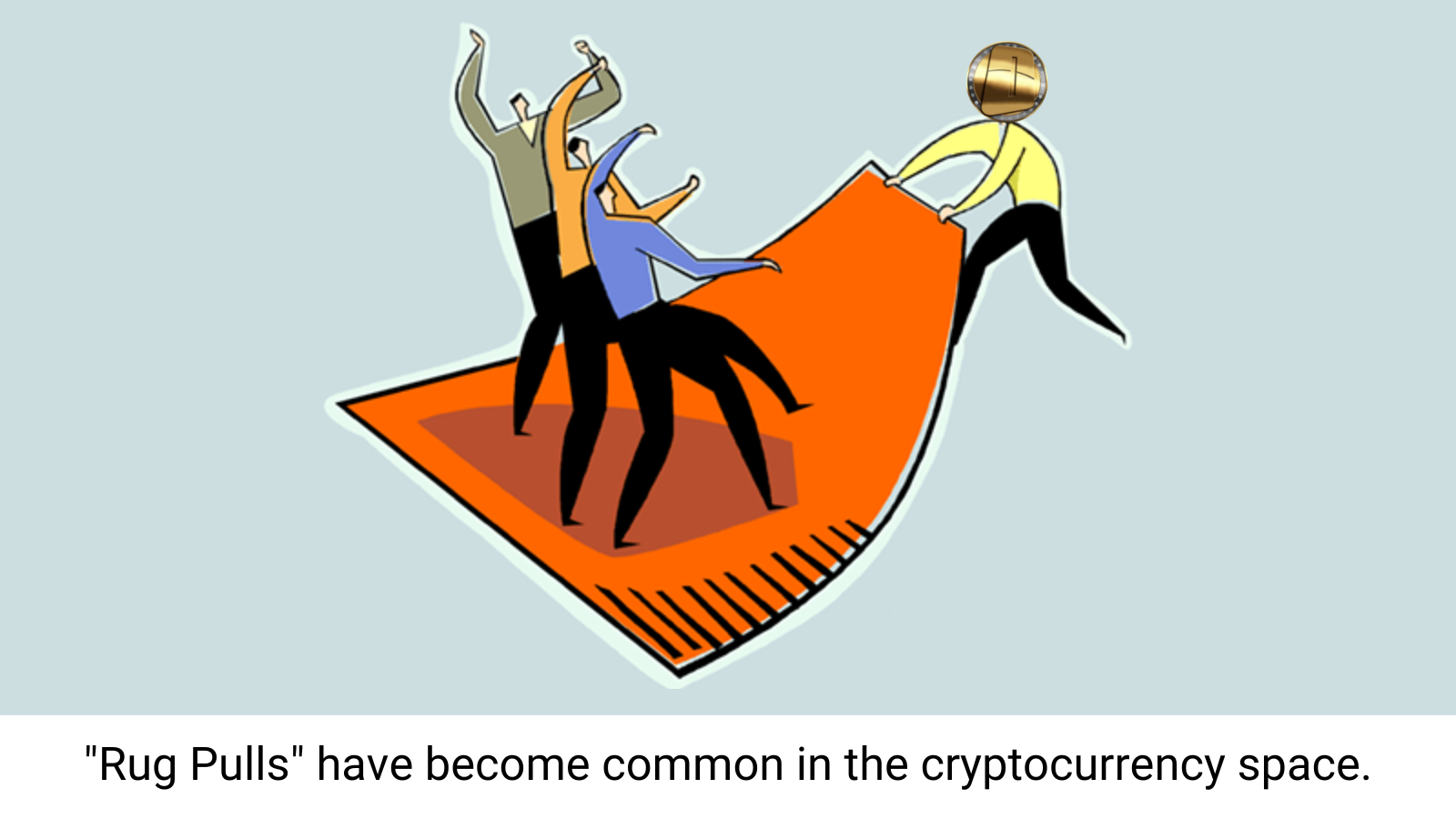
The Web3 hype train attracted a swarm of scammers, con artists, and opportunists looking to make a quick buck. Because there's no central authority, it's been a challenge to stop bad actors from doing nefarious deeds. Remember all those stories about NFT rug pulls and crypto scams? Yeah, that's the dark side of decentralization.
Another glaring issue is that Web3 is still complicated and difficult to use for the average person. Even if you're tech-savvy, figuring out how to set up a Web3 wallet or use a decentralized exchange can be a headache. This complexity, combined with a general lack of understanding among average internet users, has seriously slowed adoption.
Let's dive into some of the ways Web3 was supposed to change how we use the internet, and see how reality measures up.
Read, Write, Own... Sort of
Web 1.0 was mostly read-only. Web 2.0 allowed users to interact through comments, reactions, and shares. Web3 promised that we could not only read and write but also own our data.
In practice, though, most people are still using centralized platforms. Sure, you can technically "own" your data on a blockchain, but good luck explaining that to your grandma. The reality is that most users are still happily handing over their data to Facebook, Google, and Amazon.
The Promise of Better Transactions
Web3 promised the ability to transact money directly on the web without intermediaries. While cryptocurrencies have made some headway, they're far from replacing traditional financial systems.
Here's the reality of using Web3 for financial transactions:
It's fast... when it works. Network congestion can slow things to a crawl.
It's convenient... if you don't mind the learning curve and potential for costly mistakes.
It's secure... until someone hacks an exchange or you lose your private keys.
It's private... except when it's not. Blockchain transactions are often more traceable than cash.
A New Take On Identity
Web3 promised secure, decentralized identities. In reality, most people are still logging in with their Google or Facebook accounts because it's just easier.
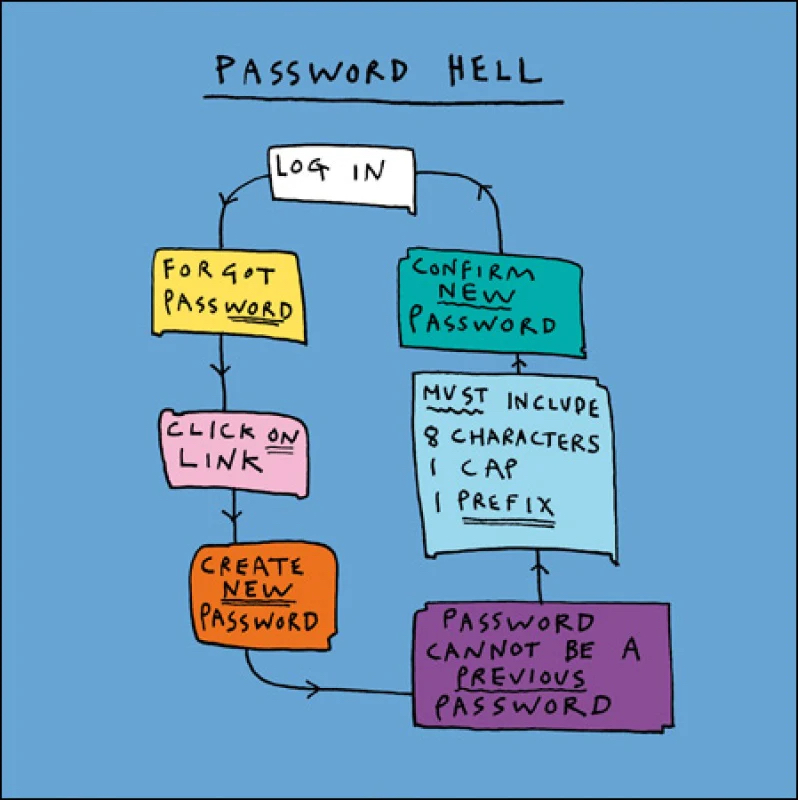
While there have been some interesting developments in decentralized identity, adoption has been slow. Most users still prefer the convenience of centralized identity providers, even if it means sacrificing some privacy.
There Was An Attempt
Web3 was supposed to be the internet's rebellion against data mishandling by social networks. While concerns about data privacy are still very real, Web3 hasn't exactly led to a mass exodus from traditional platforms.
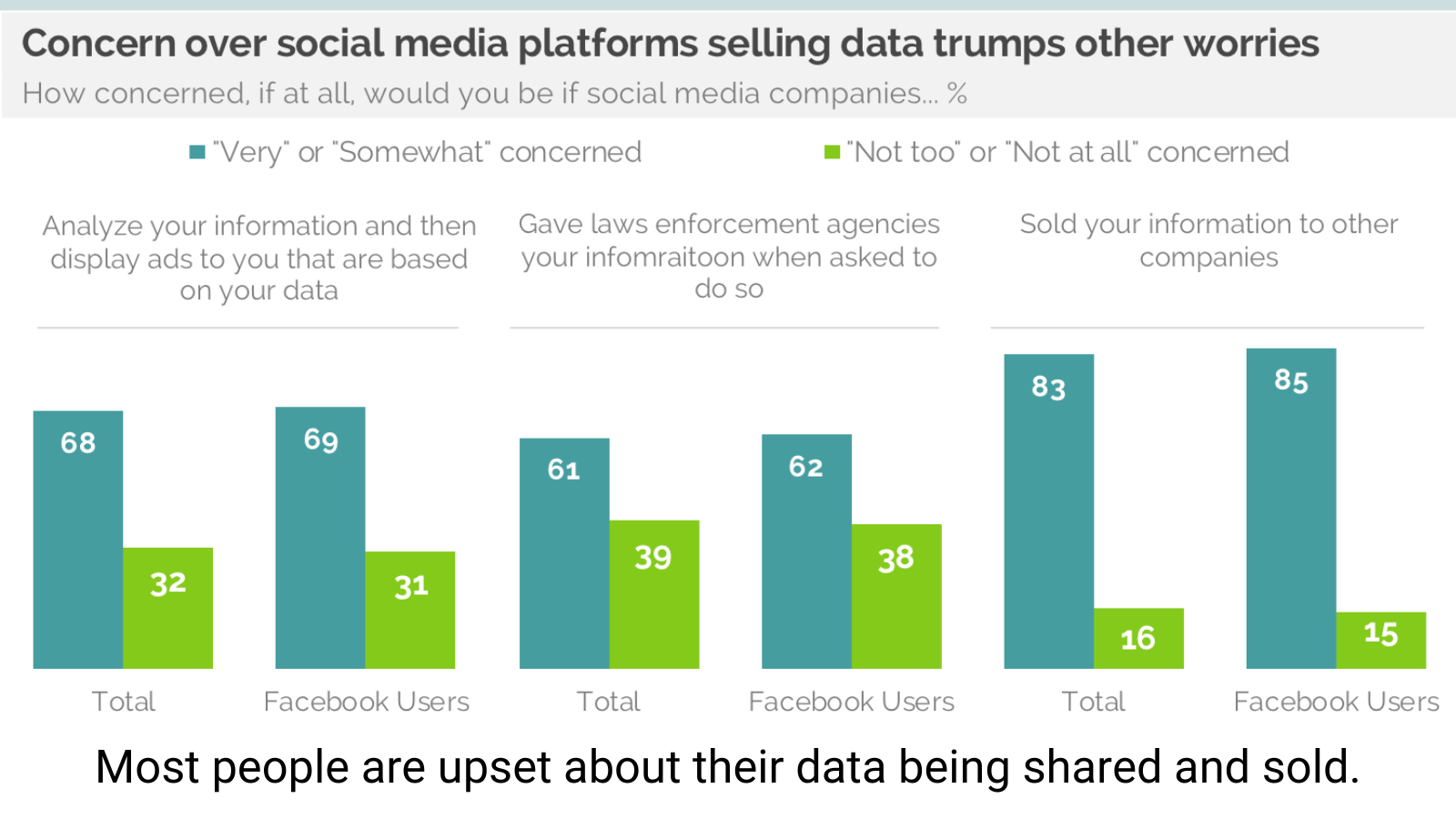
The reality is that most people are still using Facebook, Twitter, and Instagram. The promised land of secure, decentralized, and censorship-resistant social networks remains largely theoretical.
A New Era for Artists, Or Just More Hype?
Web3 was supposed to revolutionize the creative industry, allowing artists to own their work and connect directly with fans. While some artists have found success with NFTs, the reality for most has been less rosy.
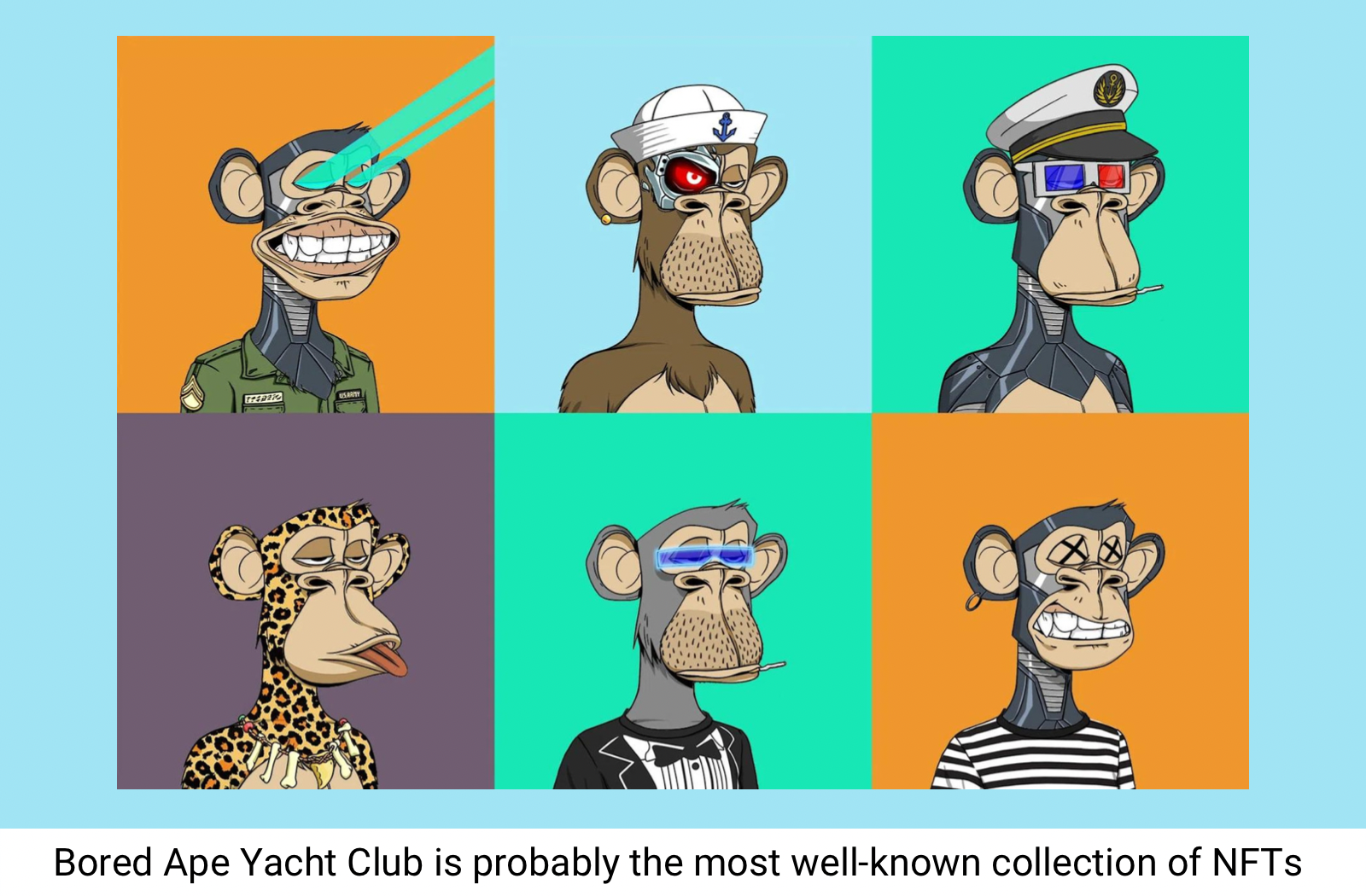
The NFT craze led to a lot of hype and some eye-watering prices, but it also brought a flood of low-quality cash grabs and outright scams. Many artists found themselves spending more time marketing their NFTs than creating art. And let's not forget the environmental concerns around the energy consumption of blockchain networks.
Better Communities
Decentralized Autonomous Organizations (DAOs) were touted as a revolutionary way to organize communities. While there have been some interesting experiments, DAOs have also faced challenges with governance, legal recognition, and scalability.
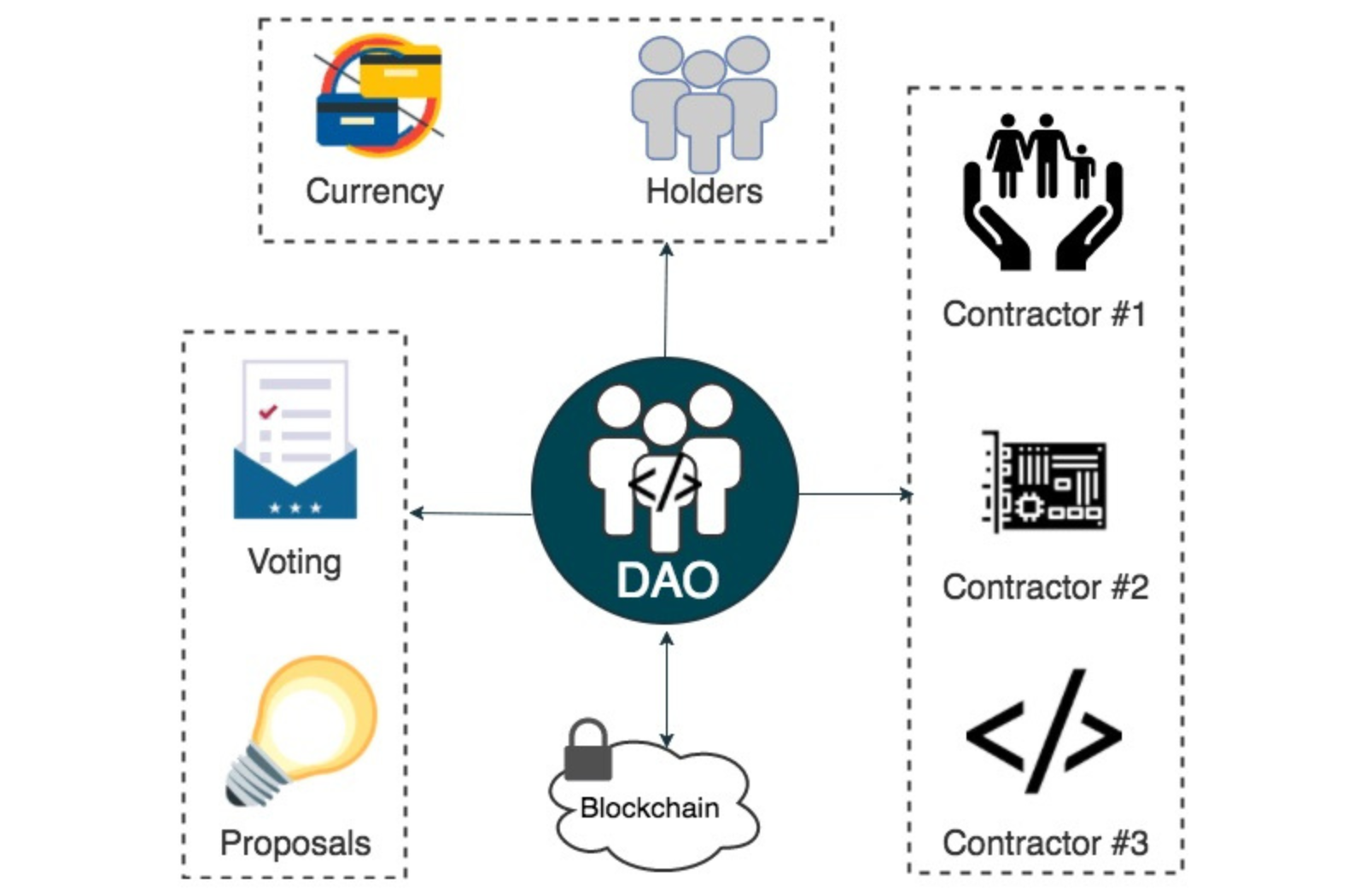
The reality is that most people are still more comfortable with traditional organizational structures. DAOs remain a niche concept, largely confined to the crypto community.
We're Not Quite There, Yet... And Maybe We Never Will Be
The dream of a fully decentralized web remains just that—a dream. Ethereum, often held up as the backbone of Web3, is still largely controlled by a small group of whales and mining pools. Key infrastructure remains centralized, and most users still rely on centralized exchanges and wallets.
The push towards Web3 has also raised important questions about scalability, energy consumption, and regulatory compliance. As governments around the world start to take a closer look at cryptocurrencies and blockchain technologies, the future of Web3 remains uncertain.
Conclusion
Web3 has potential, but it's important to separate the hype from reality. While it has introduced some interesting concepts and technologies, it hasn't revolutionized the internet as many predicted. It's still a niche interest, plagued by complexity, scams, and regulatory uncertainty.
That said, some of the ideas behind Web3—like increased data ownership and privacy—are worth pursuing. The challenge lies in making these concepts accessible and useful to the average internet user. Until then, Web3 remains more of a playground for tech enthusiasts and speculators than a true next generation of the web.
About the author
- hi
i'm trav
- i work at universal music
- head of forking at crablang
- streaming bad code live on twitch
- terrible takes @techsavvytravvy
- find me in the crablang lounge on discord
i've also been known to make music
Comments
Join the discussionNo comments yet. Be the first to comment.


